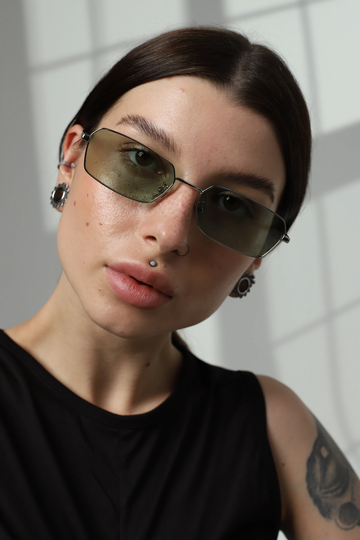
As the days get longer and brighter, sunglasses move from the bottom of the bag back onto your face. A good pair is more than a style choice. Sunglasses help shield your eyes from ultraviolet (UV) light and glare, which makes being outdoors more comfortable. They are also part of the normal aftercare routine for many people who have had laser eye surgery, because the eyes can be more sensitive to light for a while during recovery.
With so many shapes, colours and price points to choose from, it helps to know which features actually matter. Here is a practical guide.
Start With UV Protection
The most important feature is not visible: the level of UV protection. Look for a label that says UV400 or “100% UV protection”, which means the lenses are designed to block both UVA and UVB rays. Dark lenses alone do not guarantee protection. In fact, dark lenses without proper UV filtering can be worse than none, because your pupils open wider behind them and let more light in.
If a pair has no clear UV information, treat it as a fashion accessory rather than eye protection.
Polarised Or Not?
Polarised lenses reduce glare reflected from flat surfaces such as water, wet roads, snow and car bonnets. Many people find them more comfortable for driving, walking by the sea or spending time on the water. A pair like these 90s rectangle sunglasses with polarised UV400 lenses combines both features.
There are a few situations where polarisation is less ideal. Some digital displays, such as certain car dashboards or phone screens, can look darker or patchy through polarised lenses. If you rely on those screens a lot, try a pair on before you commit.
Lens Colour, Frame Shape And Fit
Lens colour changes how the world looks, but it does not change the level of UV protection. As a general guide:
• Grey lenses keep colours natural and suit everyday wear.
• Brown and amber lenses add contrast, which many people like for driving and outdoor sports.
• Green lenses offer a balance between natural colour and contrast.
• Mirrored coatings cut extra brightness, which is useful on water or snow.
Frame shape matters for coverage. Larger lenses and wraparound styles block more light from the sides, while small round frames leave more of the eye exposed. The frame should sit comfortably on your nose without slipping and should not press behind the ears. If you wear prescription glasses, ask your optician about prescription sunglasses or clip-on options.
Sunglasses After Laser Eye Surgery
If you have had laser vision correction, your surgeon will usually give you specific advice about protecting your eyes from bright light and dust during recovery. Wrap-around sunglasses can be useful because they also help keep wind and particles away from the eyes. Our article on LASIK side effects and recovery covers light sensitivity in more detail. Always follow the instructions from your own surgeon, and contact them if light sensitivity does not improve as expected.
Looking After Your Sunglasses
Scratched lenses distort your view and are tiring to look through, so store your sunglasses in a case rather than loose in a bag or on the dashboard of a hot car. Clean them with a microfibre cloth and lukewarm water instead of your shirt. You can find a wide choice of frames and lens types in our sunglasses collection.